



Mauris sagittis, tortor vestibulum et fringilla, magna vulputate metus, commodo non facilisis. Vestibulum commodo, metus eget fringilla convallis, augue elit euismod ante fames ac turpis egestas

Mauris sagittis, tortor vestibulum et fringilla, magna vulputate metus, commodo non facilisis. Vestibulum commodo, metus eget fringilla convallis, augue elit euismod ante fames ac turpis egestas

Mauris sagittis, tortor vestibulum et fringilla, magna vulputate metus, commodo non facilisis. Vestibulum commodo, metus eget fringilla convallis, augue elit euismod ante fames ac turpis egestas

Mauris sagittis, tortor vestibulum et fringilla, magna vulputate metus, commodo non facilisis. Vestibulum commodo, metus eget fringilla convallis, augue elit euismod ante fames ac turpis egestas
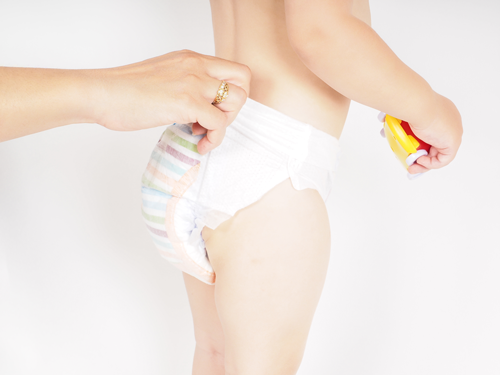
A diaper or a nappy is a type of underwear that allows the wearer to defecate or urinate without the use of a toilet, by absorbing or containing waste products to prevent soiling of outer clothing or the external environment. They require changing when diapers become soiled, generally by a second person such as a parent or caregiver. Failure to change a diaper on a sufficiently regularly can result in skin problems around the region covered by the diaper. Diapers have been worn throughout human history. They are produced from disposable cloth or synthetic products. Cloth diapers consist of textile layers like cotton, hemp, bamboo, microfiber, or even metal parts like PLA, and can be washed and reused various times. Disposable slides comprise absorbent chemicals and are discarded after use. Plastic pants can be worn over diapers to prevent leaks, but with modern cloth diapers, this is no longer necessary. Diapers are mainly worn by infants, toddlers, and by children who are not yet potty-trained or who are experiencing bedwetting. They are also used by adults with incontinence, in certain circumstances where access to a toilet is unavailable or for psychological reasons.
A diaper or a nappy is a type of underwear that allows the wearer to defecate or urinate without the use of a toilet, by absorbing or containing waste products to prevent soiling of outer clothing or the external environment. They require changing when diapers become soiled, generally by a second person such as a parent or caregiver. Failure to change a diaper on a sufficiently regularly can result in skin problems around the region covered by the diaper. Diapers have been worn throughout human history. They are produced from disposable cloth or synthetic products. Cloth diapers consist of textile layers like cotton, hemp, bamboo, microfiber, or even metal parts like PLA, and can be washed and reused various times. Disposable slides comprise absorbent chemicals and are discarded after use. Plastic pants can be worn over diapers to prevent leaks, but with modern cloth diapers, this is no longer necessary. Diapers are mainly worn by infants, toddlers, and by children who are not yet potty-trained or who are experiencing bedwetting. They are also used by adults with incontinence, in certain circumstances where access to a toilet is unavailable or for psychological reasons.

A diaper or a nappy is a type of underwear that allows the wearer to defecate or urinate without the use of a toilet, by absorbing or containing waste products to prevent soiling of outer clothing or the external environment. They require changing when diapers become soiled, generally by a second person such as a parent or caregiver. Failure to change a diaper on a sufficiently regularly can result in skin problems around the region covered by the diaper. Diapers have been worn throughout human history. They are produced from disposable cloth or synthetic products. Cloth diapers consist of textile layers like cotton, hemp, bamboo, microfiber, or even metal parts like PLA, and can be washed and reused various times. Disposable slides comprise absorbent chemicals and are discarded after use. Plastic pants can be worn over diapers to prevent leaks, but with modern cloth diapers, this is no longer necessary. Diapers are mainly worn by infants, toddlers, and by children who are not yet potty-trained or who are experiencing bed wetting. They are also used by adults with incontinence, in certain circumstances where access to a toilet is unavailable or for psychological reasons.

We are committed to enter the existing & growing personal hygiene care business to fulfill varied consumer expectations and product innovations.
We envision to become a leading organization in this field.
We will ensure progressive evolution of our manufacturing systems by continuously tracking concurrent R&D, aiming to develop in every member of our unit, the highest degree of self-esteem & pride at being fortunate to serve this Personal Care Industry.

Our aim is to combine technology, managerial skills, experience, judgment & responsibility to provide the added value which ensures customer satisfaction.
In harmony with our strategic vision, pioneering spirit, engineering ability and knowledge accumulated by collective learning through benchmarking and interacting with industry professionals & leaders
We endeavor to excel in all areas of personal care hygiene industry including design, research & development, manufacturing, sales, customer service, employee & environmental safety and sustainability with integrity, ownership and trusted leadership.
A diaper or a nappy is a type of underwear that allows the wearer to defecate or urinate without the use of a toilet, by absorbing or containing waste products to prevent soiling of outer clothing or the external environment
“Sanitary Napkins” also known as sanitary pads, sanitary towels or maxi pads, form an important part of the gynecological hygiene of every woman. Sanitary Napkins are absorbent disposable single-use products designed to receive, absorb, retain menstrual fluid, and isolate them from the rest of the body.